Author Archives: Ed Mezer

Avoid Being Taken Advantage of By Moving Companies

Moving is a stressful experience. While most places you deal with during a big move will try to help make the process easier, there are people out there who will try to take advantage of you when you’re feeling frazzled. It might be tempting to go for that cheap ad on Craigslist, but if you’re not careful, you could end up getting scammed. (Just imagine, you think you’re hiring a moving company, and instead you get one guy with a sketchy van. Not exactly ideal.) Here are a few things you should watch out for when you’re hiring a moving company.

Avoid Being Taken Advantage of By A Moving Company

What are some warning signs that a moving company is running a scam?

See a deal that sounds unbelievable? It probably is. The advertised price usually isn’t clarified by any small print or context and doesn’t actually say what the price is referring to. That’s what the scam is—as soon as a contingency is encountered (and there is always a contingency: stairs, loading route over 50 feet, etc.) the price will go up. Because there is no paperwork, there is no binding agreement. That’s how you’ll end up with half your stuff being held hostage on the truck on moving day.

What are the hallmarks of a reputable moving company?

For starters, they should have a presence on various consumer review websites, such as Yelp or Google+. A solid company will understand how important it is to build credibility and will make an effort to ensure they are getting positive reviews. Also, be wary of a score that seems a little too perfect, because it might mean they aren’t authentic reviews. As long as the feedback seems positive and reasonable, you’ll be safe.

They should also provide you with a Move Coordinator or Office Manager—someone whose job it is to ensure your move results in a positive experience. This isn’t the same as just making sure a move goes smoothly. Sometimes issues are unavoidable: maybe the keys aren’t available for the new home, or the furniture won’t fit. A coordinator is accountable for moving you from A to B; they’re updated through the process when things aren’t going to plan and take care of any issues that might occur after the move. Both small and large moving companies often miss this step, so if you find a company that offers it, you know you’re in good hands.

What can consumers do to prevent being taken advantage of?

In short, you should plan ahead. When you book early, you have more choices available. It means you can take your time to find the moving company you have the best relationship with. If you have the time, it’s always smart to arrange an onsite visit so you can determine if a company lives up to its promises. (Did they show up for their estimate on time? Did they call if they were running late?) Remember, movers are responsible for safely and efficiently moving everything you own. It’s not a decision you should rush.

Is it commonplace for movers to require a deposit? How much?

It’s common for moving companies to ask for a small deposit, and the amount will vary. The only time you need to be wary is when they ask for full payment upfront, or a really large deposit amount.

What recourse do consumers have if they’ve been taken advantage of?

Get the name of an office manager or owner before the move as a point of contact in case something goes wrong. You should also make sure that a contract gets signed, as this provides minimum value protection for the customer and an opportunity to declare the value of items. If something goes wrong and the company refuses to take responsibility, the Better Business Bureau provides consumer protection and will attempt to gain accountability from the moving business. If the moving company is not BBB accredited, social media is often the last resort.

When you know what to look for, it’s easy to spot potential scammers and avoid them. As long as you take the time to plan ahead, your moving day will be quick and painless.

City To City Moving Tips

City To City Moving Tips

There can be plenty of reasons why you’re contemplating a house move right now. There will probably be one major reason to trigger the household move (like the end of a lease or a new job offer out of town, for example), and sometimes that main culprit may be accompanied by a number of smaller yet still significant reasons (like dissatisfaction with your current job or problems in your personal relationships).

But whatever the primary cause for the big change ahead of you, the final result is that you’re moving to another city soon and you still need to get ready for the Big day. And by getting ready, you should understand completing a ton of important tasks if you wish to have a successful move.

As you will find out soon enough, careful planning and meticulous preparation are everything when it comes to city to city moving – EVERYTHING! Don’t leave anything to chance but organize your time perfectly and make your new city move one for the books.City To City Moving

City to city movers: why you need the pros

Whether it’s voluntary or largely circumstantial, the decision to move to another city is the very first thing in a long line of pre-move jobs that you will be tackling one by one. A good job offer in another city is reason enough to get you to start packing up your stuff, as is the irresistible desire to follow your heart after having met someone special in another part of the country. What matters right now is that the day of your move is approaching fast and you will need to figure out a relocation strategy that will actually work.

The thing is that you will need the right approach to handle the house move because city to city moving is not to be underestimated. The question to answer here is whether or not you will resort to the services of professional new city movers. And if it turns out that you do, you should follow the logical steps of finding and hiring a city to city moving company that will be 1) agreeable to your moving budget, 2) responsive to your individual relocation needs, and 3) showing professional attitude toward the entire moving process.

Here are the some reasons you can end up making that first crucial contact with the moving experts:

Time. Do you have to move out of your place fast, and if yes, just how fast? Lack of sufficient time to prepare properly for moving out is one of the common reasons why people choose to go with a professional moving company. The so-called emergency moves or short notice moves cannot be usually handled by non-professionals simply because the latter have not been trained to pack, protect, carry, and load heavy, large and awkwardly-shaped household items around the clock. When you do something on a daily basis, you tend to get good at it, don’t you? The majority of city to city moving companies know just how to keep a very high level of efficiency throughout the move by maintaining unrivaled speed and safety at the same time.

Safety. The safety of your possessions and your own health should be a big concern – something to seriously think about before moving from city to city. Safety is especially crucial during the packing stage where fragile and easily breakable items could get damaged or ruined forever unless they are professionally packed and adequately protected. Also, if you own things that are extremely valuable /antique furniture/ or exceptionally difficult to transport /a piano or a pool table/, then you won’t have much of a choice but to hire experts who know what they are doing. Risking irreparable damage to your prized items or risking your own health cannot possibly justify your informed(?) decision not to contact city to city movers.

Affordability. Moving locally to a place located just a short distance away from your current home, or moving within the same town or city, is usually a prerequisite for organizing an affordable self-move. However, if you plan to move to another city hundreds or thousands of miles away, then it’s good to remember that the right way to go is to hire city to city moving services. The numerous hidden costs of self-moves will prove, once again, that sometimes it’s much better to trust professionals than to risk your time, money, and health only to make a pointless statement.

The cost of moving from city to city

Without a doubt, you will be very interested in knowing the cost of moving from city to city before the arrival of moving day. This is so because

  • you will want to know if you have enough money saved to cover the moving costs in the first place,
  • you will want to exert control over the move-related expenses by creating and adhering to a relocation budget, and
  • you will want to avoid any unpleasant surprises when it’s time to pay for the services of your new city movers.

Be mindful that trying to guess by yourself how much the new city move will cost you simply won’t work. With the exception of the move distance that remains a constant value even if you wish it weren’t so, there’s no possible way for you learn how much all the stuff you’re moving will weigh, let alone how much you will be charged for the additional service of packing.

Failed attempts at guessing the cost of city to city moving can only lead to unmet expectations and general disappointment. Instead, complete the cost calculation the right way: first, know what factors will influence the final moving price, and then learn your own relocation cost with a good level of accuracy.

  • Due to the future transportation costs, the distance between the two cities will influence the final bill. You can’t expect little or no difference in the cost when moving from New York City to Salt Lake City on one hand, and when moving from New York City to Boston on the other one. After all, the difference is around 2000 miles!. But it’s also true that you won’t be able to do anything about the move distance so you don’t have to really worry about it.
  • Your city to city moving company will charge you for the overall weight of your items for moving unless you’re moving locally, in which case you will be charged by the hour. After all of your household items have been loaded into the moving truck, your items will be weighed at a licensed weigh station and you will be informed of the precise weight of the stuff you’re tasking with you.
  • What and how many extra services you request will affect greatly the cost of moving from one city to another. Just think about packing – the job that takes the most time to complete – and you should be able to understand why each additional service will burden your set moving budget even more. Even if you haven’t asked for some of those extra services, they may be needed for the successful completion of your new city move.

In any case, because of the excess of question marks surrounding the new city moving rates, the only way to know how much you will pay in advance is to get a Free Quote online or call Pony Express at 617-983-8700 .

How to move a Washer and Dryer with Pony Express Moving

Moving a Washer and Dryer with Pony Express Moving Services

Washers and dryers are susceptible to moving damage

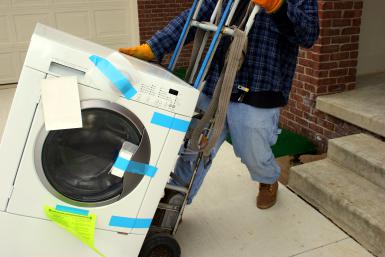
Washers and dryers are often damaged in a move when their drums have not been properly secured during pre-moving preparation and servicing. This can result in costly repairs and parts replacement. In comparison, the cost of professional servicing is nominal.

Pony Express recommends that you enlist the services of a qualified technician to service, disconnect and prepare your major appliances for a move, for your own safety and for that of your appliances.

Preparing Your Washer and Dryer for a Move

  • Disconnect
  • Clean & air dry
  • Secure the drum
How to move a Washer and Dryer with Pony Express Moving

Moving Washing Machine


What to Know About Disconnecting Your Washer and Dryer

Disconnecting the high-voltage electrical and gas connections for major appliances is dangerous and should be undertaken by a qualified professional. It is easy to make a mistake that results in a dangerous gas leak.

Before moving day, your washer and dryer must be completely disconnected. All utility service supplies (gas, electric, water) must be shut off and disconnected from the washer and dryer before they are moved. This includes switching off any electric breakers and shutting off any gas supply valves behind gas dryers. When you disconnect the water supply behind the washer and dryer, the drain hose should be removed from its standpipe.

Be careful when pulling your dryer out from the wall. There may be hidden electrical, gas supply lines or vents still connected. Your unit may have a flexible or solid vent pipe still secured by a clamp or screws. Remove these first before proceeding to move your dryer out from the wall. 


Safe to Do On Your Own: Cleaning Your Appliance

Before wrapping your washer and dryer in furniture pads, wipe it with a damp cloth and a mild cleaner to remove dust and grime.

It is very important that you leave the washer door open for 24 hours after disconnecting the water supply. This will ensure that your washer is completely dry and free of moisture, to prevent mold.


Avoid Costly Damage in Transit: Secure the Drum

Your washer and dryer may have come with bolts or moving pins to secure the drum and keep it stationary during transit. If you do not have these, ask your qualified service technician about the best way to secure your drum. Many appliance manufacturers also offer washer moving kits.


Important Notice

Your Pony Express movers are not qualified to help with disconnecting, servicing, repairing or reinstalling appliances or utilities at your point of origin or destination. Please have your appliances serviced, disconnected and ready for your movers to transport on moving day. Be aware that your movers can also not remove or install antennas, satellites or air conditioners, nor can they perform any electrical, plumbing or carpentry services.

Four Moving Tips You Should Remember

You’ve just rented or bought your new place and are ready to start the next chapter of your life. You can see the finish line, and it’s almost there! Now you just have to cross it. With so many different aspects involved with moving, it’s easy to forget about something here or there. These bits of advice will help ensure that your moving day is a smooth one, void of any unnecessary last-minute headaches and heartbreaks.

1. Removing heavy and fragile items from dressers

four-moving-tips-you-should-rememberIt’s the day before the move, and you still haven’t finished packing. Putting away the dishes are taking way longer than you expected. But at long last, you think that you’ve finally finished packing up your whole house. You breathe a sigh of relief, as you pour yourself a glass of celebratory wine. You walk around your place one last time, and notice a dresser in the corner, full of stuff. You are too tired to care, and figure that it can be moved as is.

What you didn’t realize is that your dresser doesn’t like change. Its frame and legs are not used to moving around, especially with drawers full of odds and ends. The move finishes and there is only one casualty- that poor dresser, along with all the broken items inside. Now that late night judgment call is all you can think about. Items need to be replaced or repaired, and that time you saved last night, is coming back to haunt you.

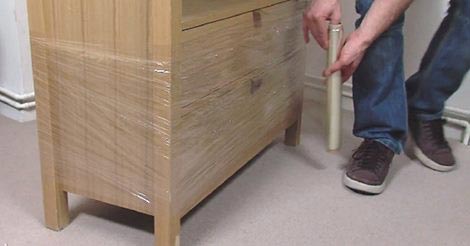
This is a frustrating moment that could have easily been avoided. If it is a lightweight dresser, remove everything before the move. It is simply not worth the risk. For sturdier dressers, it is usually fine to leave items like clothing inside, while fragile items should always be removed.

2. Make sure there is a parking spot available for the moving truck at BOTH locations.

four-moving-tips-you-should-remember-parkingIt’s the morning of the move, and the moving company calls you to say they’re on the way. They ask you where they can park their big truck, and that’s when panic sets in. You dash outside, only to find cars lining the streets as far as the eye can see. The closest parking spot is 2 blocks away, and you sheepishly inform the movers of the situation. They let you know that this move will now need to go late into the night, and cost triple the amount that you had anticipated.

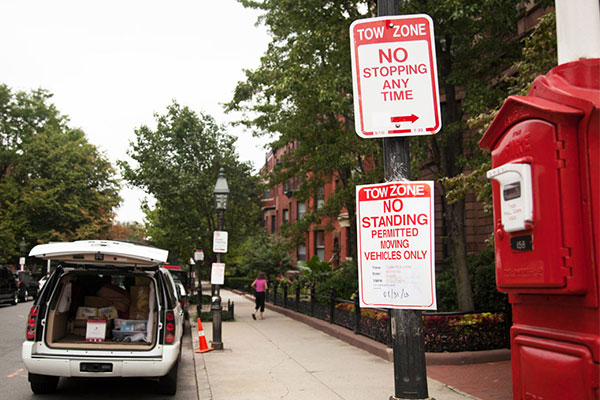
Reserving a parking spot at both locations is essential for an efficient move. The onus is on the customer to provide parking for the moving truck. Any parking tickets incurred are also the responsibility of the customer, so by securing parking spaces at both locations, you will not have to incur any additional fees/fines. It will make for a shorter and easier move.

3. Reserving elevators

The movers have arrived, and they enter your apartment. They lift and carry your couch to the hallway. One of the movers presses the button for the elevator, and then waits 2 minutes for one to come. The doors open, and there are 6 people and a dog crammed together, with no chance of even getting a lamp in there.

If you live in an apartment building or high-rise condo, you will need to reserve an elevator, and coordinate the times with your moving company. Buildings usually equip and protect the service elevator with padding/blankets before the start of the move, and most places will not even allow you to move without reserving one. Many buildings also require a “Certificate Of Insurance” from the moving company. This COI usually needs to be received before the day of the move. To obtain a copy, it’s as easy as requesting one from the moving company via email or fax.

4. Label boxes, according to each room

You did it! The move is complete, the movers have left, and now you’re alone in your new place with all your possessions. But then you look around the house, and there are boxes everywhere. You open the first box in the living room, and see that it’s full of dishes. You go to the kitchen, and find out that those boxes are full of blankets and clothing. As tired as you are, you realize that this move isn’t close to being done.

To help alleviate this problem, there is a simple process that can be done while packing – labeling each box as it is packed. By doing this, your movers will be able to place the labelled boxes in their desired room. The last thing you want to do on moving day is to spend unnecessary hours dedicated to finding items all over the house, and then having to place them where they belong. A simple label on each box will make it that much easier to set your new place up and have it feeling like home in no time. The movers will also be able to figure out the safest way to stack the boxes on the moving truck. Writing “fragile” on boxes of delicate items will also let the movers know how to stack the boxes, thereby preventing your 100lb weights from resting on top of your antique china set.

As stressful as moving can be, there are simple steps you can take to ensure your move goes as seamlessly as possible. A little preparation goes a long way, and in this case, it will save you time and money- something we can all get behind. Contact Us if you need any help moving.


Tips for Moving in the Fall

You'll get the best moving day rates (and weather) in fall.

You’ll get the best moving day rates (and weather) in fall.

The fall is one of the best times to make your move. Aside from avoiding the sweltering heat while lifting heavy boxes and organizing your belongings, the summer season is also the busiest time to move – making it more expensive. While the fall season isn’t as frugal as winter, you can avoid snowy conditions and inclement weather. Here are five tips for making your fall move frugal and effortless.

1. Choose transportation. With the busiest moving season in your rear view, you’re likely going to save on moving service rates. Moving truck rates are all about supply and demand. With less people moving in the chillier seasons, your odds of negotiating a lower rate are much higher. Keep in mind most people move toward the end of the month, so if you can, try to avoid this time period. Call several providers to get rates and play around with the dates.

Depending on how much stuff you have and what you want to take from your old place, you may not need a moving truck at all. If this is the case, you’ll have to strategically pack everything in your car, but before you do this, make sure to go in for a service. Get your oil changed, and have the mechanic check your wiper fluid, antifreeze and other important aspects of your engine. You don’t want to be halfway to your new place and break down on the side of the road.

2. Pack wisely. Randomly throwing items into boxes is a mistake you will quickly regret once you reach your new place. Plan ahead by storing similar items in containers and labeling the boxes. This way, when you finally get ready for unloading boxes at your new home, you can take the pots and pans straight to the kitchen instead of piling everything in the living room.

You should also consider filling a box with essentials to keep in the car with you. For example, you might want to set aside an extra set of warm clothes, toilet paper, a toothbrush and some snacks. You’re going to be exhausted by the time you have everything moved in, so having a few important items like this on hand will give you a moment to relax instead of tiredly digging through containers for various essentials.

3. Think ahead. Moving everything into your new place will be a hectic time, so make sure you think ahead. With cold temperatures a daily occurrence now, set up your utilities in advance. It would be extremely frustrating to arrive at your new home and freeze the whole night because you can’t turn on the heater. It would also be hard to see if you don’t have any electricity. Plus, by setting up all of your utilities ahead of time, you’ll be more likely to do your research to ensure you’re getting the best deals and packages.

4. Clear pathways. Autumn is full of beautiful multicolored leaves that are enjoyable during a brisk walk around the neighborhood but cumbersome when trying to move boxes. Set your broom near the door on moving day. Before anyone starts walking boxes to the car or truck, sweep aside leaves and other debris that have fallen across the sidewalk. This is particularly important if it has rained recently. Leaves can quickly become slick and hazardous for people trying to carry heavy objects.

5. Dress appropriately. The weather is starting to become considerably cooler, so set out an outfit that will be comfortable for moving boxes all day. Shorts are probably a little too airy for this time of year, but a sweatshirt might make you sweaty. Go with a happy medium by donning layers. Find something that will keep you warm, but is still light enough for hard work.

Things to consider when moving with a pet

This entry was posted in Moving, Moving Tips and tagged , on by .

Check Local Ordinances and Bylaws of Your New Community

Moving with a pet can be difficult if you don’t do your research. There are a lot of restrictions placed on pets in many communities. For instance, I lived in a neighborhood where all pets had to weigh 30 pounds or less. Another apartment community only allowed cats. Save yourself the stress and do your pre-moving homework.

Things to consider when moving pet

Moving pet. A five year old Golden Retriever sitting in a moving box, with other boxes stacked against the wall.

Schedule a Veterinarian Visit Before Moving Pet

Prior to moving, take your pet to the veterinarian to get all necessary vaccinations, medications and a copy of all their medical records. Once you have settled into your new home, have a list of veterinarian that you can contact to schedule a visit. Just like for humans, I like to check out the vet by talking to neighbors or going there before bringing my pet.

Keep Contact Information Current

A lot of pets have a microchip ID so it’s important to keep this contact information up-to-date. You can update your pet’s contact information at Found Animals. Thank goodness for technology as we are able to locate our pets much faster, though not everyone is familiar with the microchip process. Therefore, I would also suggest making sure your pet’s collar and crate has up-to-date contact information.

Make Arrangements for Your Pet to Stay with a Friend or at a Kennel

All the extra noises and movement in your home can create a  stressful environment for your pet. I suggest taking your friend up on that offer to help and let them take care of your pet on moving day. This way your pet gets their food, medicine, walks and, most importantly, is happy. You will thank yourself for doing this!

Check Airline Rules for Pets; Make Sure Lodging Allows for Them Too

Airplane or car? There are a lot of things to consider when traveling with a pet. Once you have booked your flight, go to the airline website to make sure your pet complies with airline policies. One helpful hint is to make arrangements for someone to meet your pet in baggage claim. I learned that the hard way as my pet was delivered to baggage claim before I got there. If traveling by car, you might want to do research on hotels that are pet friendly before embarking on your journey. There are many websites out there that provide information on great pet-friendly hotels. Be sure and check the hotel policies as most hotels have a weight limit on pets and require visitors to be with their pet at all times.

Treat Your Pet

The new environment for your pet may be overwhelming. Be sure to give your pet lots extra love and attention. Find a local dog park and let you pet run around freely. Of course, every pet loves a new treat or toy.

Create a New Home with Your Pet in Mind – Moving pet

You cannot forget about your pet when searching for that new home. Before your pet gets to your new dwelling, make sure to have all their things in place, such as food, toys, bedding, and other items that your pet is used to where you live now. With familiarity, your pet will be adjusted to the new home in
no time.

Contact us if you have any questions about moving pet

Things People Forget to Do Before They Move

This entry was posted in Moving, Moving Tips and tagged , , on by .

You packed everything perfectly, including that dining room chandelier, the big-screen TV, the vintage ’70s “Dukes of Hazzard” T-shirt collection. You even got your dog’s medical records from the vet. But something’s keeping you awake at night as your move draws nigh. You know you forgot something.

7 Things People Forget to Do Before They Move

Don’t worry, keep packing. We assembled this handy checklist of things people often forget to do—or don’t even realize they should take care of—so you can make sure you’re covered and can move and settle down in your new digs with ease.

1 month before: Cancel recurring charges

Taking care of a gym membership or other subscription services may fall by the wayside during the madness leading up to moving day. Worse, those recurring charges will keep mounting on your credit card while you’re in the throes of unpacking. Get a jump on canceling these at least a month before your last expected day of use, especially since many gyms require a 30-day notice.

Can’t get out of your contract or transfer your gym membership to a facility by your new home? Sell it through online classifieds such as GymTransfer (yes, most gyms allow this!). Don’t forget to unload any prepaid class cards, too.

On the flip side, important recurring charges on your credit card—such as mail-order medications—might be canceled if your address change hasn’t caught up with billing information. So compile a list of charges and make the effort to call these companies and give them a heads up to avoid disruption in service.

2 weeks before: Call your car insurance company

The Department of Motor Vehicles advises people in the process of moving to closely manage their car insurance during the transition, as states have varying levels of required coverage. Even if you’re staying in the same city, rates can differ from neighborhood to neighborhood. So call your insurer well before the move to find out the parameters and deadlines for updating coverage at your new address.

2 weeks before: Change your address early

Most people know the U.S. Postal Service offers an online form to quickly change an address for all of your mail, but that doesn’t mean you should wait until the last minute to fill it out.

1 week before: Organize your finances

Since losing track of bills among piles of boxes is all too easy, we recommend setting up systems before a move that can easily transition from old home to new. For monthly bills such as phone, rent, or mortgage, it can really help to set them up for autopay, which you can typically do through your bank or the billing company.

Whatever system you choose, decide which household member will be responsible for paying which bills. And as moving often incurs unexpected costs, be sure that you’ll have enough money in designated accounts at time of payment.

1 day before: Snap pictures of your electronics

Those cables in the back of your TV and modem that keep your life wired? They don’t make sense now and will make even less sense when they are tangled in a box. A simple solution is to snap a picture of the setup before you take your electronics apart—and coil the cords and label them with masking tape, for good measure.

1 day before: Pack your plants

Do you have a special plant (maybe that hydrangea you planted for your child’s birth or your mom’s prized azaleas)? To make sure you aren’t forced to leave it behind in your rush, make a list of what plants you want to take with you and put a plant plan in place. Don’t put your shovels into the moving van until the last minute—you’ll need them to carefully dig up root balls. Buy large buckets beforehand and use them to transport each plant.

1 day before: Stock a go-to box

Set aside one box for the first 24 hours in your new home. Pack paper towels, cleaning supplies, clean sheets, towels, paper plates and silverware, toilet paper, and maybe even a bottle of bubbly to celebrate all your hard work, picnic-style.

Smart Ways To Avoid Moving Scams

This entry was posted in Boston Moving Company and tagged on by .

Avoid Moving Scams

The process of moving house can be a complicated affair where your money, time and nerves will be tested to their limits – at least in the majority of relocation cases, that is. Proper organization is crucial to the success of your upcoming residential move, and as a rule – the fewer moving and packing mistakes you make, the higher the chances are of having a smooth move.

In an ideal world, the quality of the professional moving services you choose to use will be nothing short of outstanding – all the way from the initial contact with the mover to the problem-free delivery of your items to the new house or apartment. After all, you’re paying big money to have your household items taken proper care of: packed, carried to the moving vehicle, loaded, transported, taken inside the home, and unpacked/installed, if applicable.Smart Ways To Avoid Moving Scams
Regrettably, we don’t live in an ideal world and it is possible that you could get in touch with a dishonest moving company, especially if you haven’t done your homework right. Needless to say, becoming a victim of moving fraud is one of the worst things, or maybe even the worst case moving scenario that could happen to you. Which is exactly why you must steer away from troubles and long lasting headaches by understanding how to protect yourself from moving fraud.

We offer you this fraud prevention checklist: proven smart ways to avoid moving scams, but first, you’d better learn how moving fraud works in general.

What is a moving scam?

A moving scam is a broad term for fraudulent activities by a moving company which uses unlawful tactics to get more money from their customers in a dishonest way. It’s all about the money, of course, and the better you understand the different types of moving scams, the more protected you will stay from possible moving company scams that would really hurt your moving budget.

Types of moving scams and how to prevent themFind below the 5 most common moving scams used by so-called rogue movers and most importantly – what to do to avoid being scammed when moving house:

(1) False moving reviews and fake credentials

While looking for a top rated mover for your move, remember that only because somebody says they are the best doesn’t necessarily mean that they are the best.

Dishonest moving companies know just how important the initial research is when people are looking for a good mover (part of the recommended homework), so they tend to make their own employees leave highly positive reviews about the company itself. The goal is, naturally, to deceive more customers that they are a top rated moving company when, in reality, they are anything but that.

What can you do in such cases?

  • Ask friends, family members and neighbors if they can recommend a mover they have used in the past. Such word-of-mouth advice is the most reliable form of references you can get.
  • Access several different online moving review websites you can trust and read what former customers had to say about the mover you’re considering as your partner. Take extremely positive reviews with a grain of salt.
  • Is the moving company you’ve selected a proud member of the American Moving and Storage Association (AMSA) and the Better Business Bureau (BBB)?

(2) Low-ball estimates

Speaking of the most common moving frauds, unrealistically low price estimates can be a sign that something is not quite right. Fraudulent movers often use this tactical move to hook unsuspected customers with promises that are seldom delivered. Rogue moving companies tend to give estimates over the phone which end up being way off the mark, and more often than not – simply too good to be true. As you can already guess, the final price you will be asked to pay will have nothing to do with the initial low-ball estimate you received.

Keep in mind that sometimes deceptive low-ball estimates can be issued after an in-house survey as well. If a moving company estimator visits your home, performs a quick walk-through of the rooms and quotes you an uncharacteristically low price with nothing but a careless glance over the things you have for moving and without asking you any essential questions, then that suspicious behavior can be a sign that you need to find yourself another moving company altogether.

What should you do to prevent that from happening?

  • Never say YES to a mover who refuses to perform an on-site inspection of the household goods in your home.
  • Always request estimates from at least 3-4 different moving companies so that you have a good comparison base.
  • Ask the mover why their estimate is so much lower than the ones of their competitors. If no satisfactory explanation is provided, then find yourself another relocation partner.

(3) Goods held hostage

Have you prepared the ransom money for your household goods yet?

Arguably, the worst case scenario when dealing with dishonest movers is to have your goods held hostage by a rouge mover until you are forced to pay ransom money to have your belongings back. Things could get even worse if some or most of your goods are expensive or valuable items – then, the unscrupulous movers could just disappear without a trace and you wouldn’t even see your prized possessions anymore.

Note that both those moving company frauds are illegal and there are specific steps you should take if you become a victim of such a moving scam /see below for details/.

  • How to protect yourself from moving scams like that? Prevention is the best protection, of course. Do your homework, research your movers well and daylight robberies like the scenario described above should never happen.
  • To fight serious moving fraud like having your goods held hostage or stolen, the first step is to notify the police. Call 911 if it’s an emergency.
  • Then, contact the U.S. Department of Transportation on their hotline at 1-888-DOT-SAFT (1-888-368-7238) to lodge a complaint directly or use their website to file a Household Goods Consumer Complaint .

(4) Large deposits

Remember that reputable moving companies will not demand cash or large deposits in advance. In most cases, you pay the mover the agreed sum upon delivery of your items. So, be extremely cautious if a mover wants your money before they have safely delivered your items to your new home – that demand along may be a sign of fraudulent activity.

Having said that, during the height of the moving season, some respectable movers may demand a deposit in order to reserve the moving date for your move. Once you know you can trust the move, there’s not need to panic. Still, standard booking fees should not exceed 10%-15% of the final moving price and the company has no right to demand that you pay that deposit cash.

How to protect yourself when moving?

  • Do not give any money to movers in advance.
  • If you know you can trust the company and you are asked for a deposit to reserve the date you want, always use a credit card to pay the 10% deposit so that you can dispute the payment later, if necessary.

(5) Incomplete or blank documents

Be careful where you place your signature when your mover hands you papers to sign.

While getting ready to move house, sometimes things tend to get (a bit) chaotic, especially with the arrival of Moving day. Dishonest movers know this fact well and use it to their advantage. For example, who has time to read all the moving documentation when there are so many much more important things to do and think about?

A typical moving company scam is to hand incomplete or even blank documents to their customers and request their signature. Don’t ever agree to do that! The major problem here is that you will have absolutely no control over what additional conditions, mostly prices, are added to that piece of document. And, with your signature already at the bottom, it simply means that you have read and agreed to all of clauses when, in reality, you have no idea what’s happening.

Documentation fraud is a common moving scam that a rogue mover will not hesitate to use. What can you do to stay on the safe side?

  • As said above, under no circumstances should you sign incomplete or blank documents no matter how trustworthy your mover looks.
  • You should have everything in writing – your moving contract, your estimate with all the extra fees, your inventory sheet and any additional documents that accompany the move. Each document should be complete and properly signed and stamped.
  • Request your moving contract in advance and read it carefully. Read the fine print as well. You should understand well all clauses before you decide to sign it. Ask for clarifications if you fail to understand certain conditions or have trouble figuring out how some prices were formed.
  • Pay special attention to the extra services and their rates. Make sure you understand what exactly it is that you’re paying for.
  • Review your detailed inventory sheet with care and make sure all your belongings are listed there. Be aware that you won’t be able to file a claim for a lost item if that item was not present in that inventory checklist in the first place.

Spot the red flags to recognize a rogue mover

The moving fraud prevention guide above should give you enough information to protect yourself from being scammed and protect your move from becoming a disaster. Still, the best possible protection is prevention so it’s important that you learn how to spot a fraudulent mover before they get a hold of your prized household goods.

How do you recognize a rogue mover so that you stay away from them?

It looks like something has gone wrong on Moving day. Did you do your homework right?

  • When you contact the moving company, they don’t answer the phone by the company name but simply say standard non-personal phrases such as “Movers” or “Moving company”.
  • The moving company fails to offer in-house survey of your household goods and when you request such an on-site inspection, they refuse to do it. Instead, they offer to give you an estimate online or over the phone without seeing the things you have for transportation. Not surprisingly, the estimate you receive from such a mover will most likely be exceptionally low in order to lure you in.
  • The mover refuses to issue you a written estimate, either binding or non-binding, of the moving costs you are about to incur.
  • When you try to access the mover’s website for more information, it turns out that they don’t even have one. If they do, no specific information (company name, physical address, no licensing information (U.S. DOT number), no insurance information, etc.) will be available there.
  • You can’t find any information about the company’s local offices, warehouses, or their fleet of moving trucks.
  • The mover demands a large deposit of money before they have done any work at all.
  • The moving company provides with moving documents that seem incomplete or even blank. Never place your signature on blank documents!
  • One of the most obvious scams by moving companies is to arrive on Moving day not with their own company-owned and clearly marked moving vehicles but with a rental truck.
  • On moving day, the company asks you to sign a new moving estimate because something has happened to the original one. If they claim that you have more items than they originally estimated, have them give you a revised estimate that both you and they sign before they start loading your stuff into the truck.

Learn more about the red flags of moving fraud by visiting the official website of the Federal Motor Carrier Safety Administration.

Want to learn more about how to protect yourself from moving fraud?

  • Protect your move ( Federal Motor Carrier Safety Administration (FMCSA))
  • “Your rights and responsibilities when you move” (download for free the official booklet of the U.S. Department of Transportation).

Save

Moving in the summer

We know the many virtues of summer as the perfect time to move. Not only is the weather gorgeous, but it’s less likely to impede your progress by turning into rain or snow. Students and many workers also have the added bonus of more flexible schedules. Summer is also when there are simply more houses available, and July especially is considered a boom time for the real estate industry.

Moving in the summer

But just as there are many benefits to a summer move, there are certain challenges inherent to the season. It’s important to recognize these obstacles and prepare for a quick and less costly move.

“Hot weather can make moving a genuine hassle.”

1. The weather
You may not have to contend with ice during the summer, but all that sunshine and warm weather can still have a negative effect. Higher temperatures can make moving feel all the more intense, and it’s easy to lose your nerve when you’re covered in sweat. It’s a problem that’s going to be especially pronounced over the next few years. According to the Weather Network, summer 2016 will feature record-breaking highs across the U.S., with less precipitation expected throughout the North East. All of that means warmer, dryer air, and that can be difficult to look forward to during an extended moving process.

2. Heat-related damage
It’s not just people that have to contend with warm weather. Many personal objects can also warp or break down due to the heat in your vehicle or moving truck. According to the Council on Library and Information Resources, both CDs and DVDs are quite sensitive to temperature variations. Most of these items must be stored around 60 to 70 degrees Fahrenheit, and it doesn’t take long in 100-plus-degree temperatures to ruin these for good. It’s also important to consider light exposure. If discs aren’t properly packed away, ambient sunlight can warp or destroy them. Like the heat, it doesn’t take much light to damage an entire collection.

3. Busy moving services
Because there are so many benefits to moving in summer, a number of people take advantage and relocate before the fall. In fact, according to figures from the Realtor.com Network, between 11 and 13 percent of moves take place in summertime. All of those moves result in a greater demand, and that often means less flexible moving dates and tighter schedules all around. Even the best services aren’t immune to the summer surge, and you should enter any summer move expecting some delays. If you plan ahead properly, though, you can help mitigate some of these issues.

A truly cool partner
No matter what challenges summer may present, you can still overcome most of them if you hire the right moving service. Pony Express Moving Services has years of experience planning and implementing summer moves (not to mention fall, winter and spring). They understand the logistics involved in this time of year and account for heat and temperature. Pony Express Moving Services is a partner during the moving process, and they make moving like your own little vacation.

Moving Terms Definitions

Moving is hard enough without all of the confusing industry moving terms that can be thrown around dictionary

what
Here are some common moving terms defined to make your search for the perfect mover a little bit easier.

COI – A COI, or a certificate of insurance, is used to give proof of insurance to commercial and residential buildings in case damages to the property occur during a move. *Always make sure your moving company is properly insured to protect yourself from personal loss.

Access – Access refers to how the crews will be entering/exiting the property at origin and/or destination. Long walks, narrow stairs, and parking are all things to consider when telling a surveyor about your move in order to give you the most accurate estimate.

Shuttle – A shuttle might be used to transport your goods if the planned truck is unable to make a normal pickup or delivery because of geographical or urban planning (think: low bridges, narrow roads) constraints. The shuttle is the smaller truck used to complete the pickup or delivery. There are separate charges for this service, depending on the size and location of the shipment.

Binding Estimate – If your mover gives you a binding estimate they are guaranteeing the total cost of the move based on the quantity of items and services shown on the estimate. This type of estimate means that you will pay the agreed upon amount regardless of the difference between the estimate and the actual cost of your move.

Non-Binding Estimate – Non-binding estimates charge you based on the actual cost of your move, regardless of the initial estimated cost. This means you could end up paying less or more based on the actual amount of work necessary to complete your move.

Bill of Lading – If you hear the term bill of lading don’t get nervous! The bill of lading is an important part of your move that is actually a service agreement detailing terms and conditions of your move and the receipt for your goods. All moving jobs have a bill of lading attached making it easier to review services agreed upon.

PBO / PBC – here’s an easy one! PBO / PBC just means that the items were packed by owner (you, the customer) or packed by crew. No sweat.

OA/DA – Everyone loves a good abbreviation but they aren’t much fun when you’re stressed! Don’t worry if a salesperson mentions an OA or DA during your conversation. These abbreviations refer to the origin agent (the company at the origin of your move who will service the first half of the move) and destination agent (the company at the destination address responsible for completing the move.) If the company you’re getting estimates from is part of a van-line then the agent on the other end of your move will also be a part of the van-line and you can rest assured that your goods will be handled in the best way possible.

Class 1 Move – A Class 1 move, also known as crate and freight, have your belongings move from one dock to another in shipments. Crate and freight may be a better option for those with smaller moves and can be handled by preferred agents outside of a company’s regular van-line network due to travel restrictions during peak season.

Hoist – In the case of large or heavy items that need to be handled in or out of homes through windows, you may need to use a hoist. Hoists are auxiliary services offered by movers using specialized equipment, such as a hoisting crane and a moving platform.

Valuation – The amount of cash value assigned to the items in a shipment is called valuation in the moving world. When purchasing valuation, the customer will pay a certain amount of money for their items to be covered at the assessed value in the event of damage. There is a required $0.60 per pound minimum for all moves, but for an additional charge you may purchase other levels of valuation options.

Full Value Protection – Full value protection is a valuation option where the moving company is liable to repair or replace any lost or damage items at their full value minus any deductible amount on the valuation option.
Have more questions about moving terms, or want to book your move? Call us today at 617-983-8700 and we’ll get you started or request an estimate online.